Call This
Thursday
to Get
$35 OFF



Call This
Thursday
to Get
$35 OFF
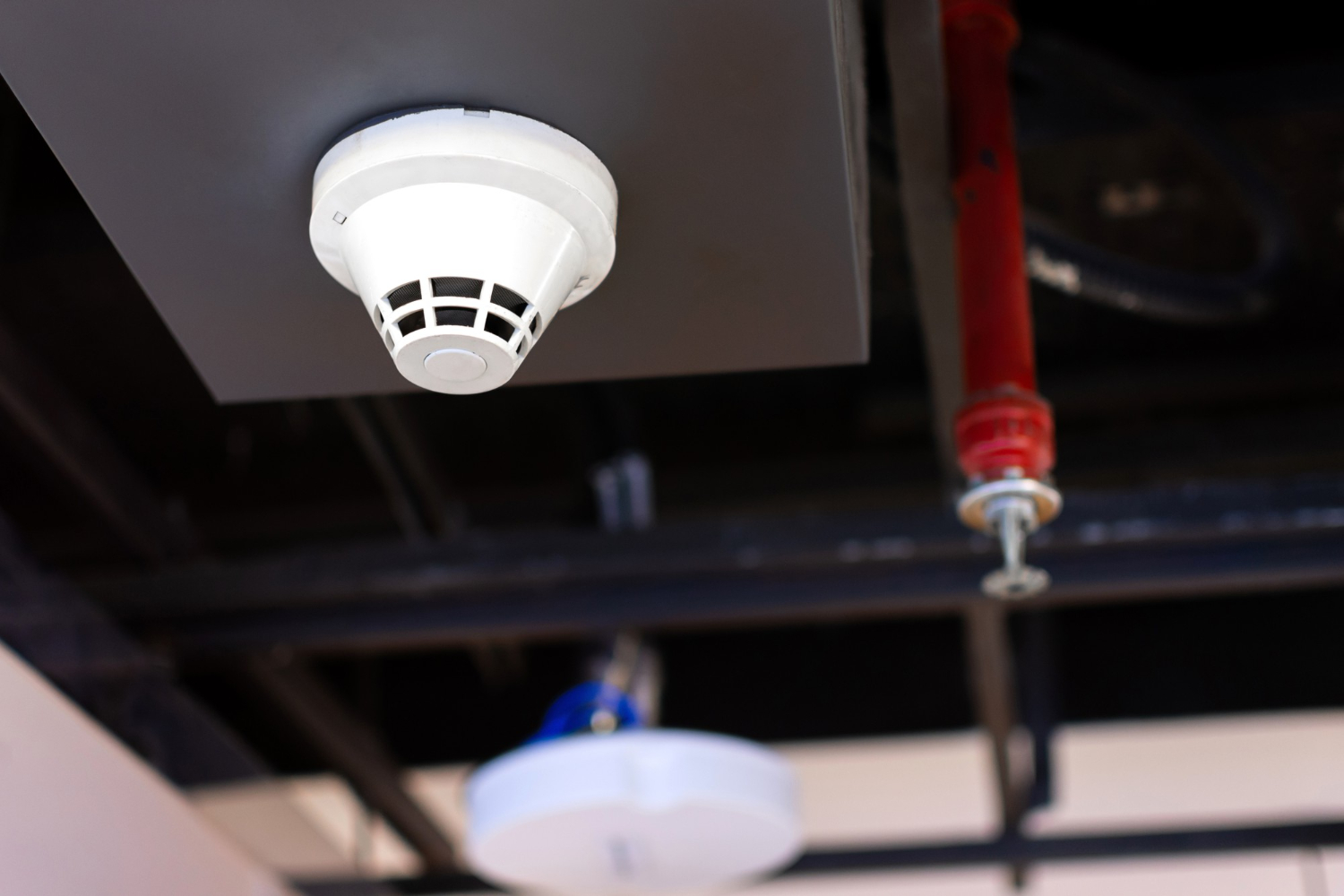
Smoke detectors are one of the most important safety features in any home, yet most homeowners give very little thought to where they are placed or if they are positioned correctly. A detector mounted in the wrong spot can fail to alert you in time during a real emergency, turning a life-saving device into a false sense of security. Placement is not just a suggestion, it is the difference between an early warning and a dangerous delay.
In this blog post, our electricians from Neighborhood Electric will explain why smoke detector placement matters so much and how getting it right can protect everyone under your roof.
Every bedroom in your home needs a smoke detector inside it, and there should also be one in the hallway just outside. Fires that start at night are especially deadly since people are asleep and may not notice smoke until it's already filling the room. Having a detector inside the bedroom means that the alarm sound is as close to the sleeping area as possible, giving everyone the maximum amount of time to respond. A proper smoke detector installation in these areas is a non-negotiable part of keeping your household safe.
The kitchen is one of the most common places for fires to start, but it also produces more smoke and steam than any other room in the house. Placing a smoke detector directly above the stove or too close to the oven will result in frequent false alarms from cooking, which causes many homeowners to remove or disable the detector entirely. The recommended approach is to install the detector at least ten feet away from cooking appliances so it can still detect a real fire without being triggered by everyday meal preparation. Consulting with experienced electricians in Suffolk ensures your kitchen detector is placed in a spot that balances sensitivity with practicality.
Most people assume all smoke detectors go on the ceiling, but wall mounting is sometimes the better option depending on the room layout. Smoke rises toward the ceiling, so ceiling placement is usually best, but detectors should not be installed in corners where poor air circulation can delay smoke from reaching the sensor. If wall mounting is necessary, the detector should be placed close to the ceiling but slightly below it. A licensed electrical service can assess each room individually and recommend the most effective mounting location.
Multi-story homes require extra attention as smoke behaves differently across levels. Stairways act as natural channels that pull smoke upward, making the top of a staircase a critical placement point. Basements should have a detector on the ceiling at the base of the stairs leading to the upper level, not in the far corners where smoke would take much longer to travel. Many homeowners overlook these areas entirely, leaving significant gaps in their home's detection coverage that only become obvious in an emergency. If you cannot decide and don’t feel confident in the placement of your smoke detector, contact an electrical service.
It might seem harmless to paint over a smoke detector during a renovation or to place one behind a curtain or piece of furniture, but both situations can severely compromise the device's ability to function. Paint can clog the sensor openings, and physical obstructions slow the airflow needed to carry smoke particles into the detector. Even a small reduction in sensitivity can mean the difference between an early alarm and a delayed one. Skilled electricians know how to integrate detectors into a renovated space without sacrificing performance.
Are you in need of an electrical service? Luckily, we at Neighborhood Electric have dedicated workers ready at your disposal. Contact our representatives for more questions.