Call This
Thursday
to Get
$35 OFF



Call This
Thursday
to Get
$35 OFF
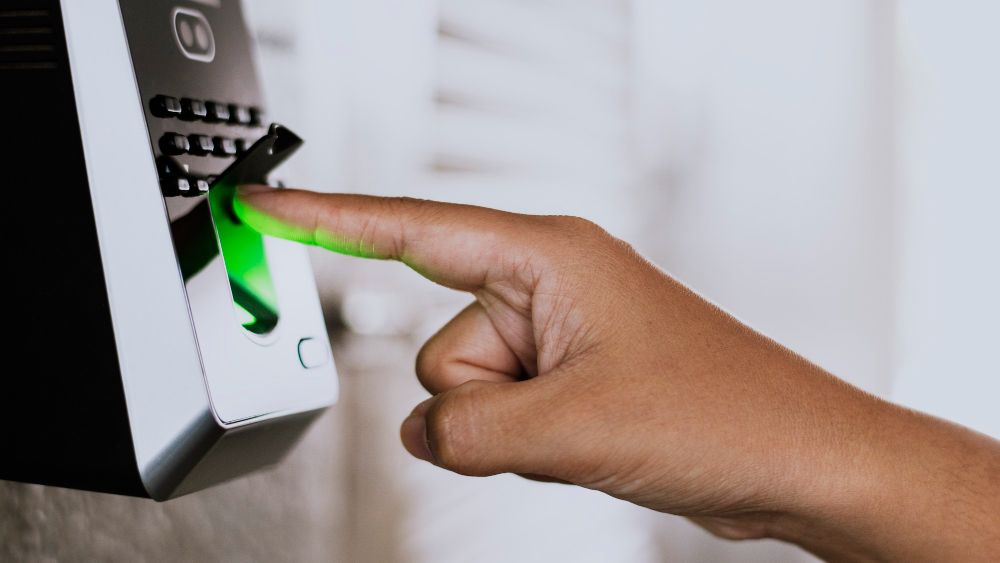
Smart locks have become one of the most popular upgrades for homeowners looking to modernize their front door, offering the convenience of unlocking with a code, an app, or even a fingerprint. That convenience raises a fair question about how secure these devices really are compared to traditional deadbolts and the new vulnerabilities they may introduce. Comprehending how these locks work, both mechanically and digitally, helps you make an informed decision about whether they're right for your home.
In this blog post, our professionals from Neighborhood Electric will explain what makes smart locks secure, where their weaknesses lie, and how to protect yourself if you decide to install one.
Most smart locks combine a traditional deadbolt with digital technology, allowing you to lock, unlock, and manage access through a keypad, smartphone, or Wi-Fi connection. This digital layer is what enables features like temporary access codes for guests or automatic locking when you leave the house. Since these locks rely on both physical and digital security, they need to be evaluated on both fronts rather than assuming one guarantees the other.
The biggest security concerns with smart locks usually involve the digital side instead of the physical mechanism itself, since weak Wi-Fi encryption or outdated firmware can create openings for unauthorized access. Locks that rely on outdated Bluetooth protocols have historically been more vulnerable to signal interception than newer models using updated encryption standards. Choosing a smart lock from a reputable manufacturer that provides regular security updates helps reduce these risks. Electricians in Suffolk familiar with connected devices can recommend dependable options.
Even the most digitally secure smart lock still relies on a physical bolt and strike plate, and those components need to meet the same durability standards as a traditional lock. A high-quality digital lock paired with a weak strike plate or door frame can still leave your home vulnerable to forced entry. Strong, durable hardware is just as important as the smart features, making it worth checking before scheduling any electrical service for the installation.
Improper wiring or installation can create security gaps that have nothing to do with the lock's actual technology, which is why many homeowners choose to bring in electricians for locks that integrate with a home's electrical or network wiring. This is especially true for locks tied into a broader smart home setup, where proper electrical service ensures the system communicates reliably without dropped connections or power issues. Getting this part right prevents frustrating malfunctions that could otherwise leave your door unsecured.
Many homeowners choose to install smart locks as part of a broader home automation system installation, connecting them to cameras, lighting, and voice assistants for a more seamless experience. This integration can improve both convenience and security, since a unified system often allows for more sophisticated monitoring than a standalone lock alone. Working with professionals experienced in these systems helps guarantee that everything is installed correctly and functions as intended.
Smart locks can offer strong security when chosen carefully and installed correctly, combining the best of digital convenience with reliable physical hardware. Focusing on both the physical hardware and digital features helps strengthen your home's overall security. Consulting with electricians before installation ensures your smart lock, and any connected systems, function safely and securely from day one.
Are you in need of an electrical service? Luckily, we at Neighborhood Electric have dedicated workers ready at your disposal. Contact our representatives for more questions.