Call This
Saturday
to Get
$35 OFF


Call This
Saturday
to Get
$35 OFF
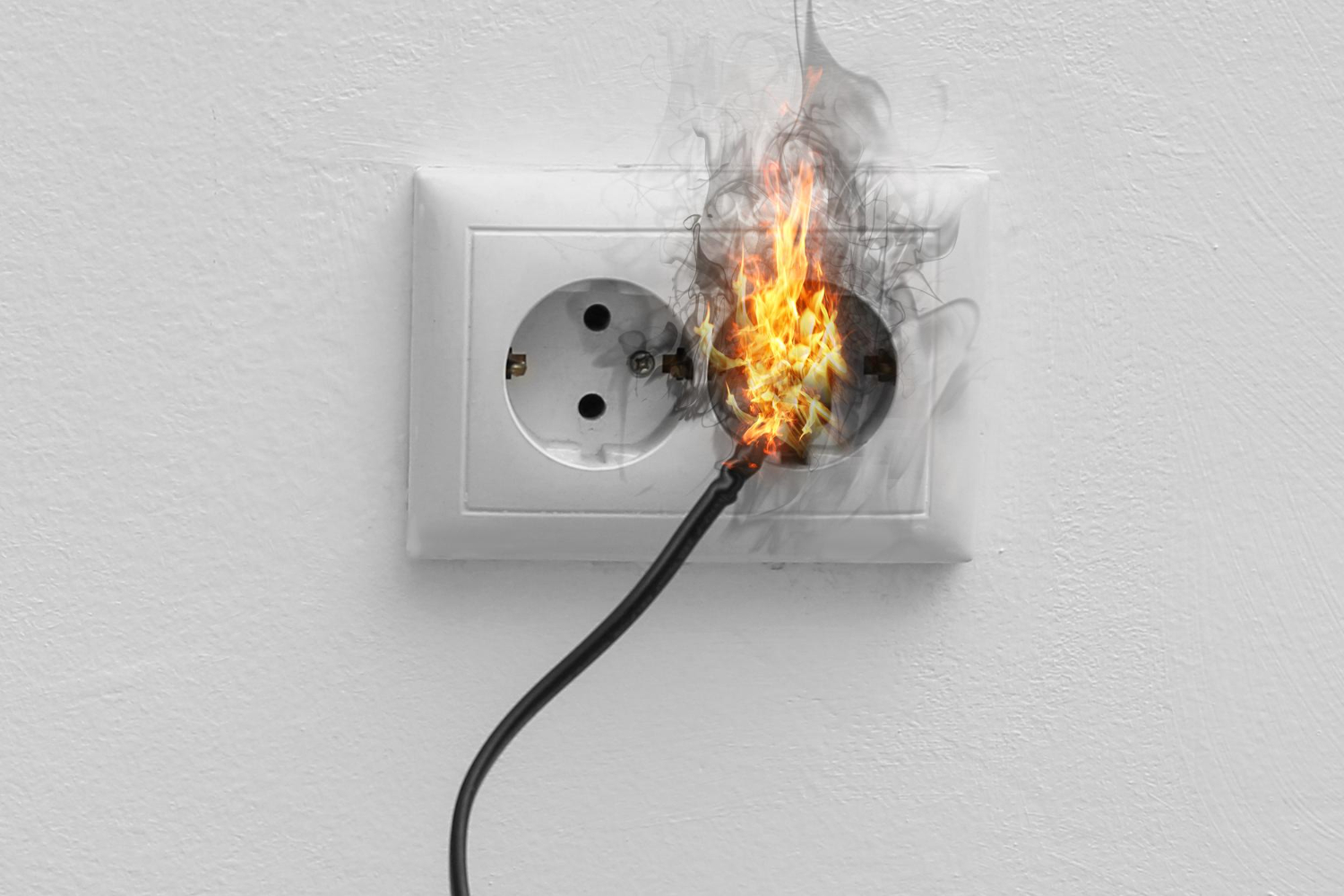
Electrical surges happen more often than most homeowners realize, and they can damage appliances, electronics, and even wiring over time. Power fluctuations caused by lightning, utility grid issues, or large appliances cycling on and off place constant stress on a home’s electrical system. Choosing the right surge protection can feel confusing as multiple options exist, each serving a different purpose. Understanding how power strips differ from whole-home solutions helps protect valuable devices and maintain long-term electrical safety.
In this blog post, our professionals from Neighborhood Electric will talk about the difference between power strips and whole-home surge protection.
Power strips with surge protection are designed to protect individual devices plugged directly into them. They act as a localized defense, absorbing excess voltage before it reaches sensitive electronics like computers, televisions, or gaming consoles. This option works well for small clusters of devices and is often used in living rooms or home offices. However, power strips have limits, and once their internal components wear out, protection may no longer be effective. Many electricians in Suffolk point out that these strips are best viewed as a first layer of defense rather than a complete solution.
Despite their convenience, power strips only protect items connected to them and offer no defense for hardwired systems. Appliances such as HVAC units, ovens, or built-in lighting remain exposed to surges entering through the main electrical panel. Over time, repeated small surges can still degrade electronics even if no immediate failure occurs. Another drawback is that power strips can be overloaded, creating safety concerns if too many devices draw power at once. Relying solely on this option leaves gaps in protection that a professional electrical service often identifies during home evaluations.
Whole-home surge protection is installed directly at the electrical panel and guards the entire house from incoming surges. This system intercepts excess voltage at the source, preventing it from traveling through branch circuits and damaging connected equipment. Unlike power strips, this approach protects everything from major appliances to smaller electronics throughout the home. Surge protection installation at the panel level is commonly recommended by licensed electricians since it provides consistent and comprehensive coverage. This method also reduces wear on internal wiring, extending the overall lifespan of the electrical system.
One of the biggest advantages of whole-home surge protection is peace of mind. All devices, whether plugged into a strip or hardwired, receive a baseline level of defense against voltage spikes. This option is especially valuable in areas prone to storms or unstable power grids. While the upfront cost is higher than purchasing a few power strips, the long-term savings from preventing equipment damage can be significant. Many homeowners find that investing in a professional surge protection installation adds value to the property and reduces future repair costs.
Deciding between power strips and whole-home surge protection depends on overall needs, budget, and the complexity of the electrical system. Power strips are useful for targeted protection and portability, making them a practical supplement in specific rooms. Whole-home systems, on the other hand, provide a foundational layer of security that power strips cannot match alone. A combination of both options often delivers the best results, with panel-level protection supported by quality strips for sensitive electronics. Consulting experienced electricians ensures the solution aligns with safety standards and daily usage demands.
Are you in need of an electrician? Luckily, we at Neighborhood Electric have dedicated workers ready at your service. Contact our representatives for more questions.