Call This
Tuesday
to Get
$35 OFF



Call This
Tuesday
to Get
$35 OFF
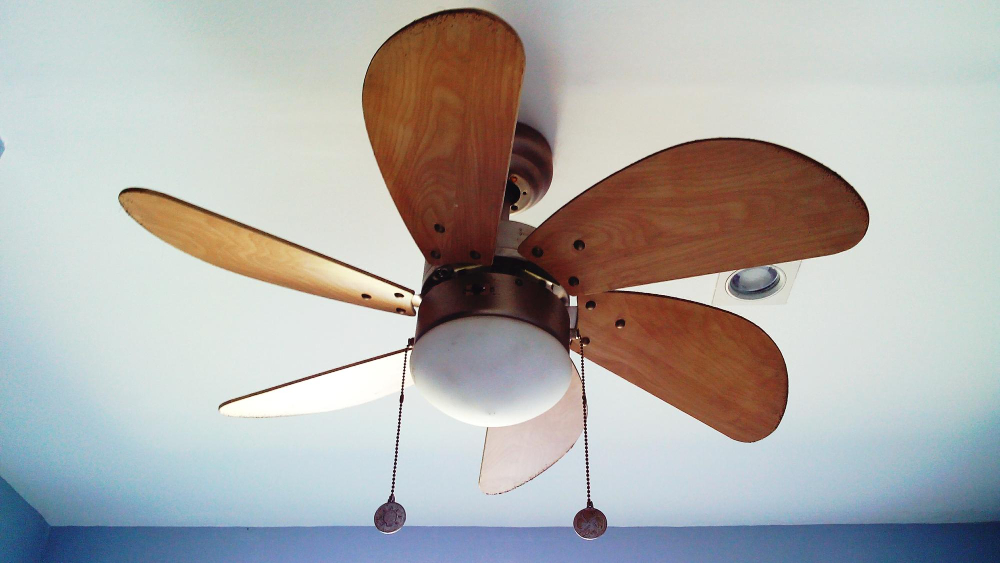
Choosing the right ceiling fan is more than just picking a style you like, it directly affects comfort, lighting, and even energy use in your home. You may be updating a single room or planning a full upgrade, and the decision between a ceiling fan with lights or one without can feel surprisingly important. Each option offers distinct advantages depending on how you use your space, your existing lighting, and your electrical setup.
In this blog post, our professionals from Neighborhood Electric will discuss if ceiling fans with or without lights are better.
A ceiling fan with an integrated light fixture gives you two essential functions in one place, air circulation and illumination. This option works well in rooms where overhead lighting is limited or completely absent, such as bedrooms, living rooms, or finished basements. You get the benefit of reducing clutter from floor or table lamps while creating a balanced, centered light source. Many modern designs allow you to control brightness, color temperature, and fan speed separately, adding flexibility to your daily routine. For proper wiring and load balance, electricians in Suffolk often recommend a professional ceiling fan installation to ensure the fan and light operate safely together.
Ceiling fans without lights focus purely on air movement, making them ideal for spaces that already have lighting. You might prefer this option in rooms with recessed lights, pendant fixtures, or decorative chandeliers that you do not want to replace. Fans without lights often have a cleaner, more minimalist appearance and can feel less visually busy, especially in rooms with lower ceilings. Since they draw less electrical load, they can be simpler to install, though a licensed electrical service is still important to confirm wiring compatibility and secure mounting.
From an energy standpoint, both types of ceiling fans can help you reduce heating and cooling costs by improving air circulation. A fan with lights may use slightly more electricity overall, especially if the light is frequently turned on, but modern LED fixtures are highly efficient. Fans without lights consume less power by design, which can appeal to you if energy savings are a top priority. Electricians can help you evaluate existing circuits and recommend efficient models that align with your long-term utility goals.
Your design preferences play a major role in this decision. A ceiling fan with lights can act as a visual focal point, blending function with decoration in a way that enhances the room’s character. In contrast, a fan without lights tends to fade into the background, supporting the space rather than defining it. You should consider ceiling height, room size, and overall style before deciding, as the wrong choice can make a room feel cramped or poorly lit. A professional ceiling fan installation ensures the fan is positioned correctly for both aesthetics and performance.
Installing any ceiling fan requires careful attention to electrical safety, structural support, and proper balancing. Fans with lights often need additional wiring or compatible switches to control both features independently. Fans without lights may seem simpler, but they still require a secure electrical box rated for fan support. Relying on experienced electricians for this work protects your home from potential hazards and ensures compliance with local codes. A trusted electrical service also saves you time and stress by handling the technical details correctly on the first try.
Are you in need of an electrician? Luckily, we at Neighborhood Electric have dedicated workers ready at your service. Contact our representatives for more questions.