Call This
Thursday
to Get
$35 OFF


Call This
Thursday
to Get
$35 OFF
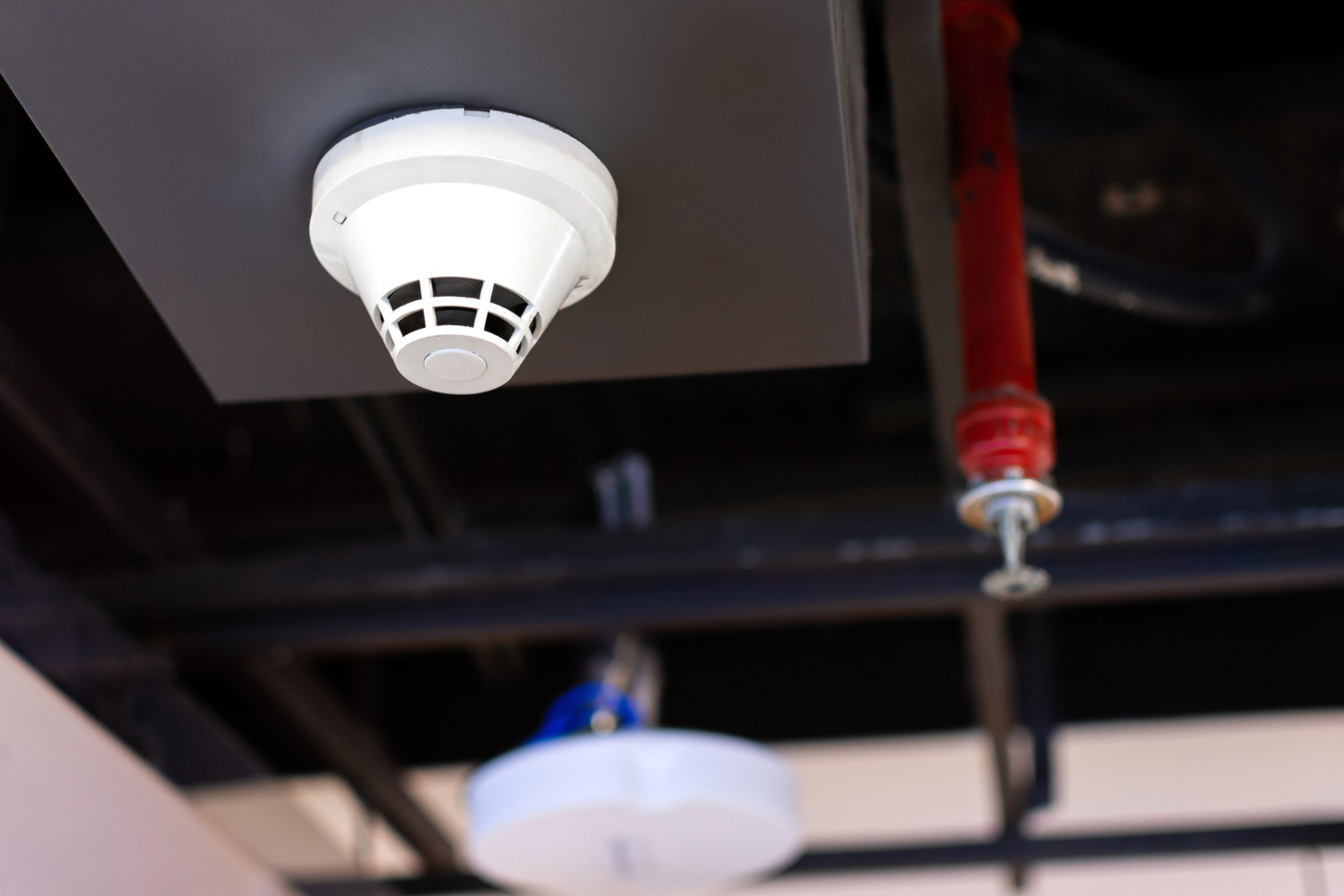
Fires are dangerous at night since sleep dulls awareness, slows reaction time, and prevents early detection of danger. While your home feels the safest during rest, electrical faults, overheating appliances, or wiring issues can spark fires after dark. Smoke detectors act as a critical line of defense, providing constant monitoring even as the household sleeps. If installed correctly and maintained properly, these devices give an early warning that can mean the difference between a close call and a tragedy. To ensure dependable protection, many homeowners rely on experienced professionals and an electrical service to handle proper placement and installation.
In this blog post, our professionals from Neighborhood Electric will explain how smoke detectors protect you while you sleep.
Modern smoke detectors are designed to detect smoke particles long before flames spread through a room. Ionization detectors respond quickly to fast-flaming fires, while photoelectric models excel at identifying smoldering fires that produce thick smoke. During sleep, this early detection is critical as the body cannot naturally sense smoke buildup. Once triggered, the alarm produces a loud, high-frequency sound intended to wake even the deepest sleepers. By identifying danger early, smoke detectors provide precious minutes to react, escape, and call for help.
Nighttime fires are often more deadly since smoke inhalation can overwhelm a sleeping person before flames are visible. Smoke detectors interrupt sleep with an unmistakable alarm that forces you to be alert and aware. That sound creates an opportunity to exit the home before conditions worsen. Without this warning system, exposure to toxic smoke can happen quickly and without noticeable symptoms. Early alerts significantly reduce the risk of injury or loss of life, especially during overnight hours.
Correct placement is just as important as having smoke detectors installed at all. Devices should be located inside bedrooms, outside sleeping areas, and on every level of the home. Placement near kitchens or bathrooms must be done carefully to prevent false alarms while still maintaining coverage. Professional electricians in Nassau & Suffolk understand local building codes and best practices, making sure detectors are positioned where they offer maximum protection. A proper smoke detector installation ensures alarms activate early rather than after the smoke has already spread.
Many residential fires begin due to electrical issues such as faulty wiring, overloaded circuits, or aging panels. Smoke detectors serve as a safeguard against these hidden risks by detecting smoke caused by electrical malfunctions. Regular inspections by a licensed electrical service can identify hazards before they escalate. Pairing routine electrical maintenance with reliable smoke detection creates a comprehensive safety system that works around the clock, including while the household sleeps.
Smoke detectors are available in battery-powered, hardwired, and combination models. Hardwired detectors connect directly to the home’s electrical system and often include battery backups for power outages. Interconnected systems allow all alarms to sound simultaneously if one detects smoke, providing faster alerts throughout the house. Electricians can recommend the best option based on the home’s layout and electrical setup. Choosing the right system strengthens nighttime protection and reduces the risk of failure.
Even the best smoke detector cannot protect a home if it's not properly maintained. Batteries should be replaced regularly, and alarms should be tested monthly to confirm functionality. Dust and debris can interfere with sensors, so occasional cleaning is necessary. Scheduling inspections with a trusted electrical service ensures devices remain in working order and meet safety standards. Consistent upkeep guarantees that protection remains dependable night after night.
Are you in need of a smoke detector installation? Luckily, we at Neighborhood Electric have dedicated workers ready at your service. Contact our representatives for more questions.