Call This
Thursday
to Get
$35 OFF


Call This
Thursday
to Get
$35 OFF
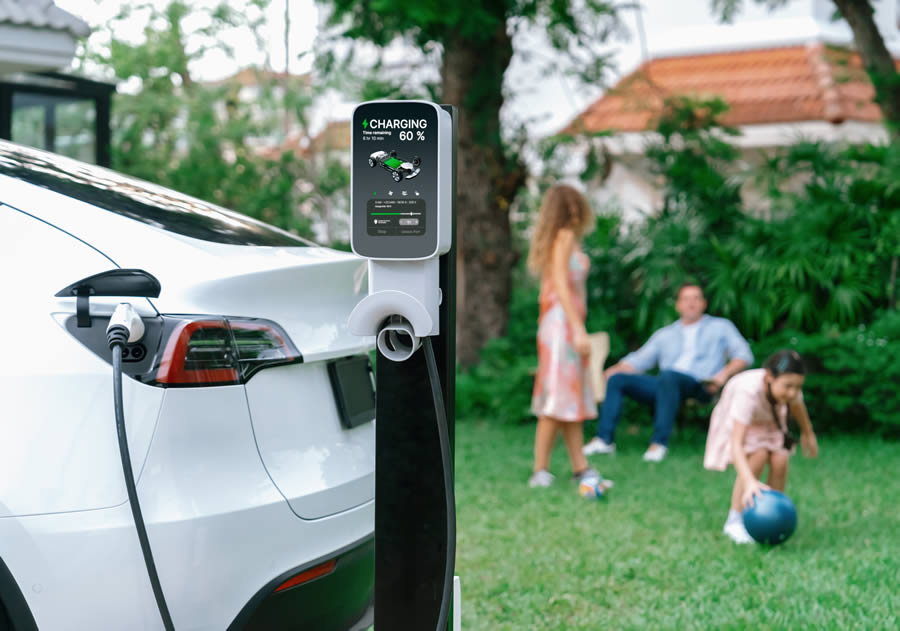
Installing an EV charger at home brings convenience, control, and long-term savings potential compared to relying on public charging stations. However, questions about electricity usage and monthly costs often come up before making the investment. Charging a vehicle at home does add to energy consumption, but the overall impact depends on driving habits, electricity rates, and system efficiency. With guidance from experienced electricians in Nassau and proper planning, the financial impact can remain predictable and manageable.
In this blog post, our professionals from Neighborhood Electric will explain how an EV charging station installation influences an electric bill and what factors shape the final cost.
Electric vehicles rely entirely on electricity stored in their batteries, and charging at home transfers energy from a residential power supply into the car. The amount of electricity used depends on battery size and how often charging takes place. A typical EV may use between 25 to 40 kWh for a full charge, which directly translates into energy consumption on a utility bill. Compared to standard household appliances, this is a noticeable addition, but it replaces gasoline costs, which often exceed electricity expenses.
Mileage plays a major role in determining how much electricity is consumed each month. A short daily commute results in less frequent charging and lower energy usage, while long-distance driving requires more frequent top-ups. Tracking driving patterns helps create a realistic estimate of how much EV charging contributes to overall household energy use.
Utility pricing structures vary widely, and the cost per kilowatt-hour directly impacts how much EV charging adds to a bill. Some providers offer time-of-use rates, where electricity costs less during off-peak hours, such as late at night. Charging during these periods can significantly reduce expenses. Without optimized timing, charging during peak hours may lead to higher costs, even if total energy usage remains the same. Reviewing local rate plans helps determine the most cost-effective charging schedule.
Not all charging setups consume electricity in the same way. A standard outlet, often referred to as Level 1 charging, delivers slower charging speeds and typically spreads energy usage over a longer period. A professionally installed Level 2 charger, part of a proper EV charging station installation, provides faster charging but may concentrate energy use into shorter timeframes. Although total energy consumption remains similar, the efficiency and convenience of Level 2 systems often make them the preferred option for homeowners.
Focusing only on the electric bill may overlook the broader financial picture. Installing a home EV charger adds convenience, increases property appeal, and supports the transition to cleaner energy. Reduced maintenance costs and fuel savings contribute to the overall value of owning an electric vehicle as well. A professionally planned EV charging station installation, supported by expert electricians, ensures that the system operates efficiently while keeping energy costs under control.
Adding an EV charger does increase electricity usage, but the impact on a monthly bill is influenced by multiple manageable factors. Driving habits, charging times, and electricity rates all play a role in determining the final cost. With the right electrical service setup and smart charging strategies, the increase can remain reasonable and predictable. Careful planning allows homeowners to enjoy the benefits of electric vehicle ownership without unexpected financial strain.
Are you in need of an electrical service? Luckily, we at Neighborhood Electric have dedicated workers ready at your disposal. Contact our representatives for more questions.